A printed circuit board (PCB) is a fundamental component of electronic devices. From smartphones to computers, all electronic products contain PCBs. PCB assembly is a complex process that requires careful planning, design, and execution. This blog post will guide you through the basics of PCB manufacturing, including the materials used, the manufacturing process, and the different types of PCBs. Keep reading to learn more!
1. PCB Materials
The first step in PCB manufacturing is selecting the materials. PCBs are typically made of fiberglass-reinforced epoxy resin, copper clad, and a layer of copper. The copper layer provides the electrical contacts between the components. The thickness of the copper layer can vary, depending on the circuit's power requirements. The fiberglass-reinforced epoxy resin provides insulation from the other layers. Some PCBs use polyimide material, which is more expensive but can withstand higher temperatures and is used in high-temperature applications.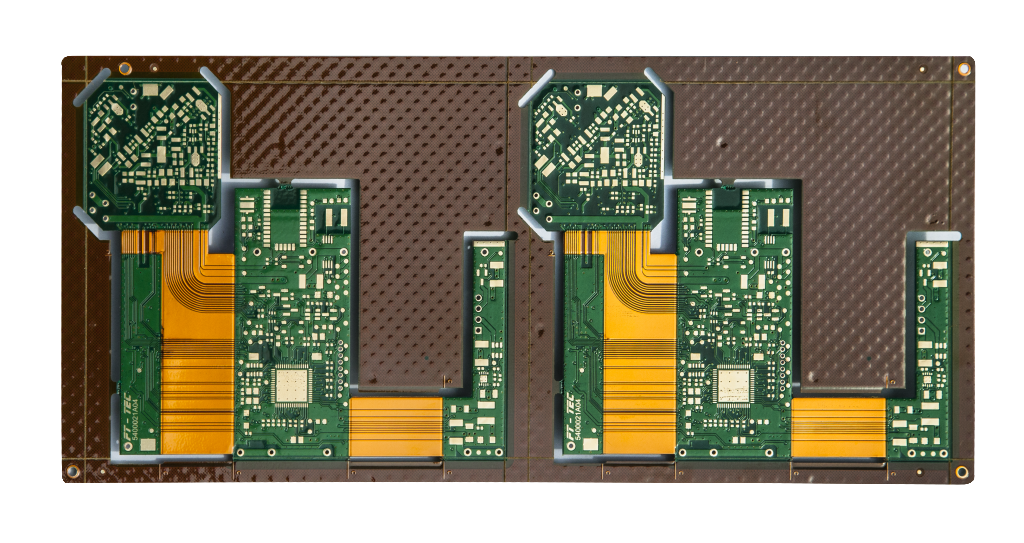
2. Manufacturing Process
The manufacturing process for PCBs is complex and requires a high level of precision. It starts with designing the circuit layout on a computer. After the layout has been finalized, the design is printed onto a special film. The film is laid on top of the copper-clad board, and the board is exposed to ultraviolet light. The light hardens the non-circuit areas, and the circuit board goes through an etching process, where the unexposed copper is removed. After etching, the board is cleaned and inspected for accuracy. The board's holes are drilled, and a layer of copper is added to the inner layers. Then, the outer layers are etched again to remove the excess copper and create electrical pads. Finally, a protective coating is added to protect the copper from oxidation and wear.
3. Types of PCBs
There are many types of PCBs, the most common ones being single-sided, double-sided, and multi-layered. Single-sided PCBs have all the components on one side of the board. Double-sided PCBs have components on both sides, connected by vias that pass through the board. Multi-layered PCBs have more than two layers separated by insulation material. Instead of vias, the layers are connected through drilled holes that are then plated. Multi-layered PCBs have a higher density of components, offer better performance, and can handle more power.
4. PCB Assembly
Finally, after the PCB has been manufactured, it's time for assembly. PCB assembly is the process of attaching the components to the board. There are two types of PCB assembly: surface mount technology (SMT) and through-hole technology (THT). SMT components are smaller and do not have leads. They are attached to the board using solder paste and reflow ovens. THT components are larger and have leads that pass through drilled holes in the board. They are soldered in place by hand or machine. The final step in the assembly process is testing the PCB to ensure it works as expected.
PCB manufacturing is a complex and precise process that is critical to electronic devices' performance. Choosing the right materials, designing and laying out the circuit, and assembling the components requires careful planning and execution. PCBs come in many types, each with their own uses and applications. Single-sided, double-sided, and multi-layered PCBs provide different levels of component density and performance. PCB assembly is the final step in the process and ensures the PCB works as expected. As technology advances, PCBs will continue to be critical in the development of new and innovative products.

 High-Frequency PCB Materials: Properties, Performance, and Selection
